This test analyzes how compatible the two grease products would be if they were to mix when transitioning between them
Eliminates the risk to machinery from product changeover, accidental mixing, and supply chain disruptions
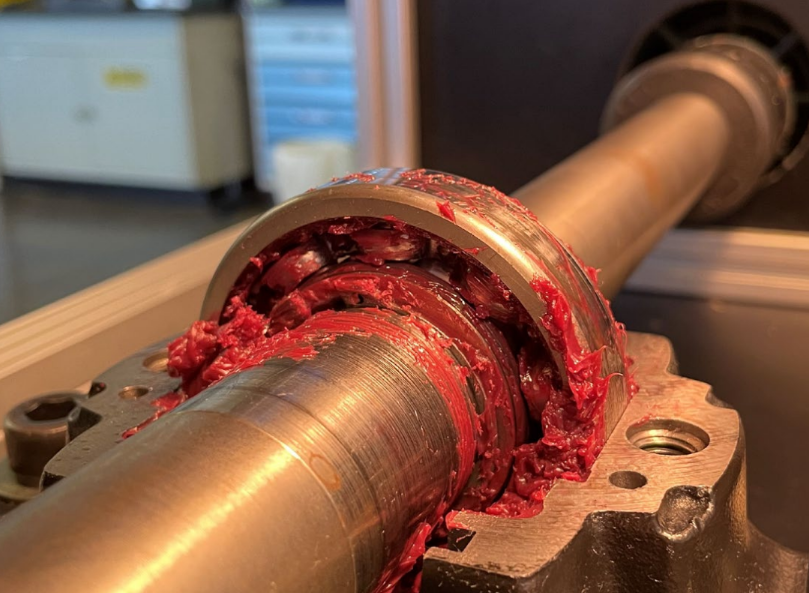
Mixing incompatible greases can lead to problems including separation, softening and leakage, hardening of grease mixtures, and compromise of the protective lubricating film that results in inadequate lubrication and machine failuregre
Why AREN'T Compatibility Charts the Answer?
Compatibility charts only address thickener “families,” making them unreliable and lacking a testing basis for their information
Often found to contradict each other
Do not address lubrication requirements for machine in questions
Fail to account for base oil or additive differences, which could have significant impacts on lubrication effectiveness
ADVANTAGES OF TESTING
Grease mixtures can be evaluated without damaging equipment or affecting uptime
Can provide data to support the ability to mix greases or if the greases need to be completely cleaned out
Assesses the risks and costs of available alternatives
When a compatible alternative is found, this reduces the costs associated with downtime and disassembly required to completely clean all traces of the previous grease from the equipment
TESTING
In preparation for the study, our laboratory technicians compare the NLGI Grease, thickener type, additives, viscosity, and type of base oil of the two greases in question.
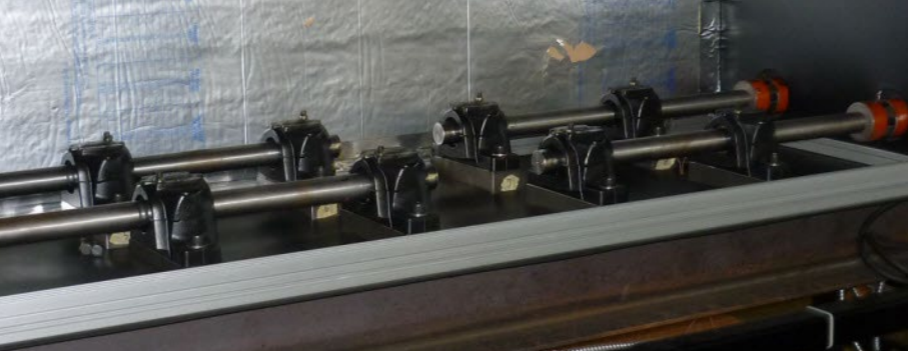
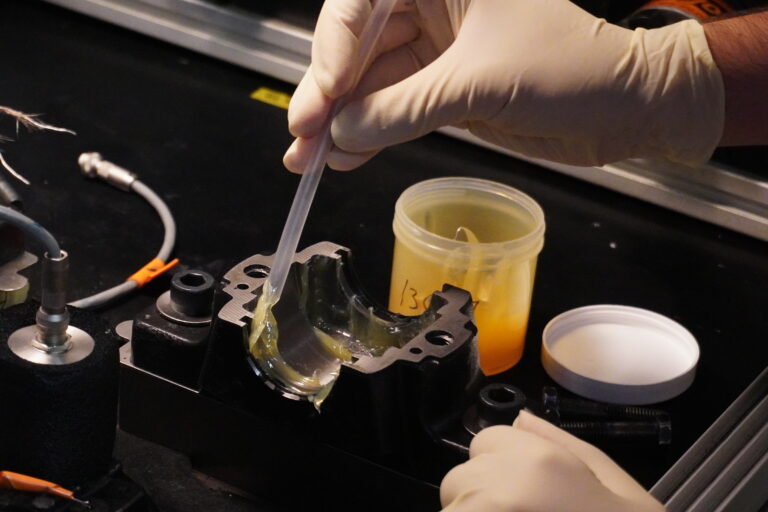
Mixtures of grease are created in ratios to stimulate the conditions that will be experieinces in the machine. These mixtures are loaded into our bearing simulator test stand (or alternate test stand configurations that better simulate machine types and speeds) for operation over a 72 hour period.
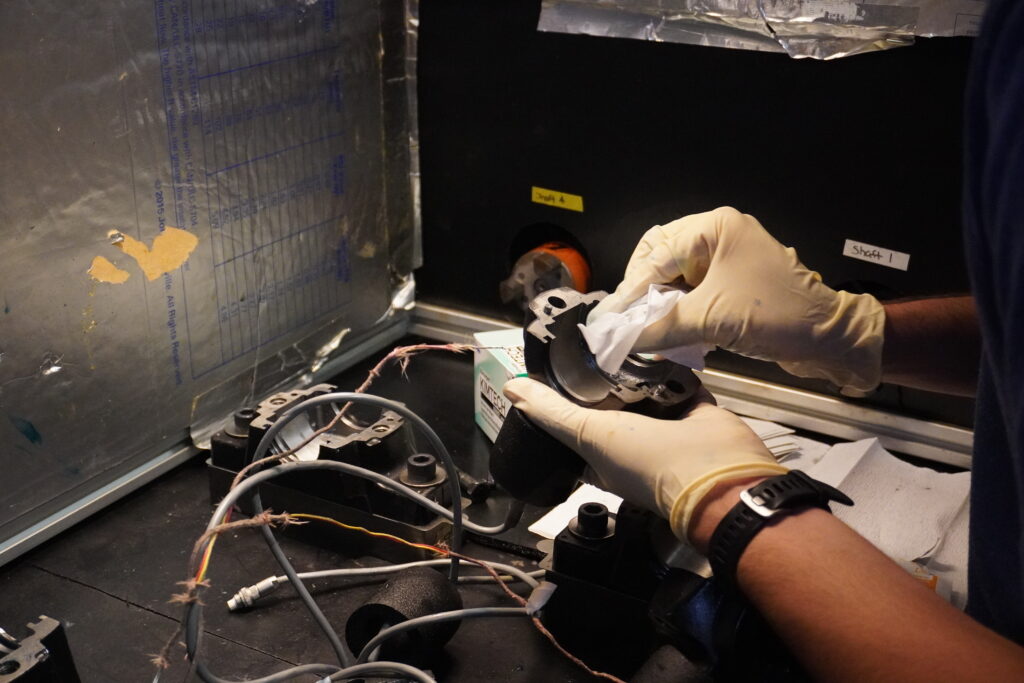
The bearings are then sampled and evaluated for rheological properties, along with other tests such as FTIR, RULER, and elemental spectroscopy.
INTERPRETING RESULTS
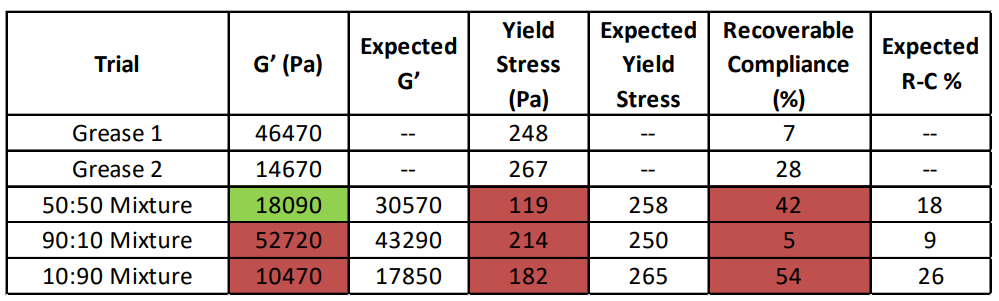
To PASS, mixtures must have responses that are between the two baseline greases. Anything outside of this can result in the grease mixture performing differently than expected.
In this image, the numbers in red are not compatibilte because they do not land in between the range of Grease 1 and Grease 2. On the other hand, the 50:50 Mixture is compatible for G’ (Pa) because the number lands between that of Grease 1 and Grease 2’s numbers.