Root cause analysis includes a complete root-cause failure report and recommendations for further monitoring and corrective actions. MRG will test for grease consistency, oxidation, product contamination, and wear metals utilizing the Grease Thief Analyzer Die Extrusion test, FTIR, RULER, RDE Spectroscopy, Analytical Ferrography and Rheometer. Testing can include the submission of a failed component for extraction of grease and visual inspection for root cause analysis.
Turn around for testing is 10 days, unless explicit instructions are provided by the customer.
SAMPLE CASES
Bearing Failures
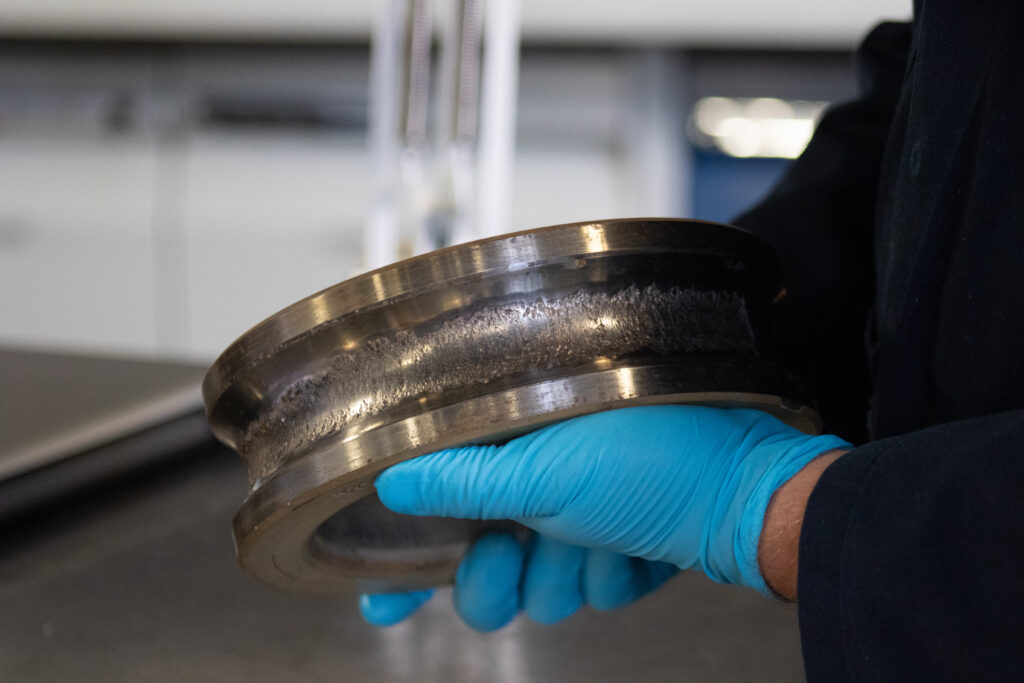
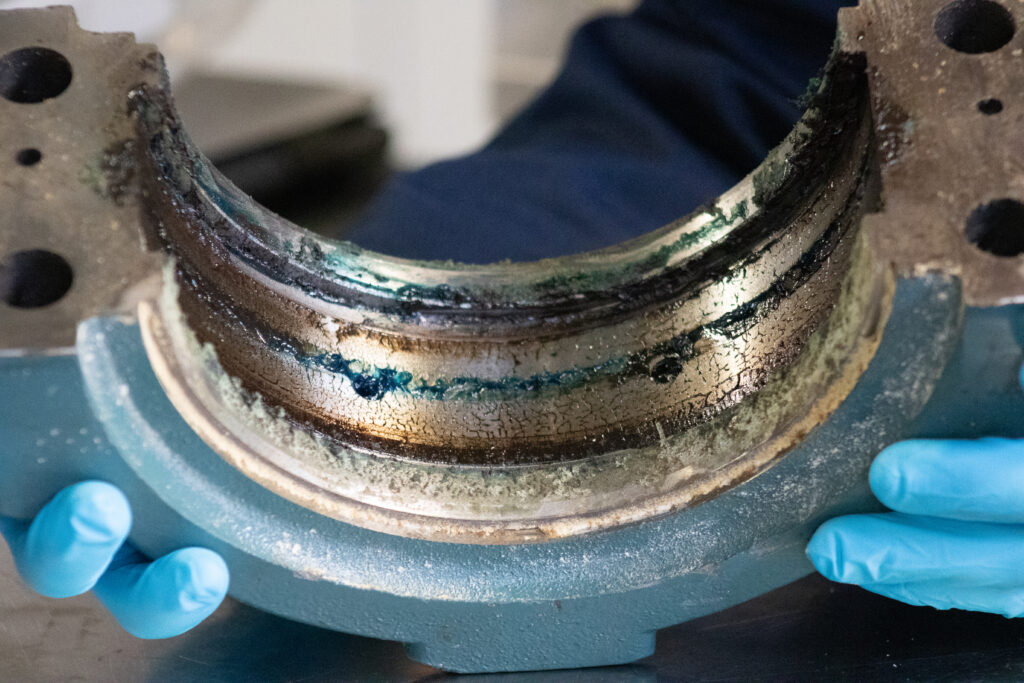
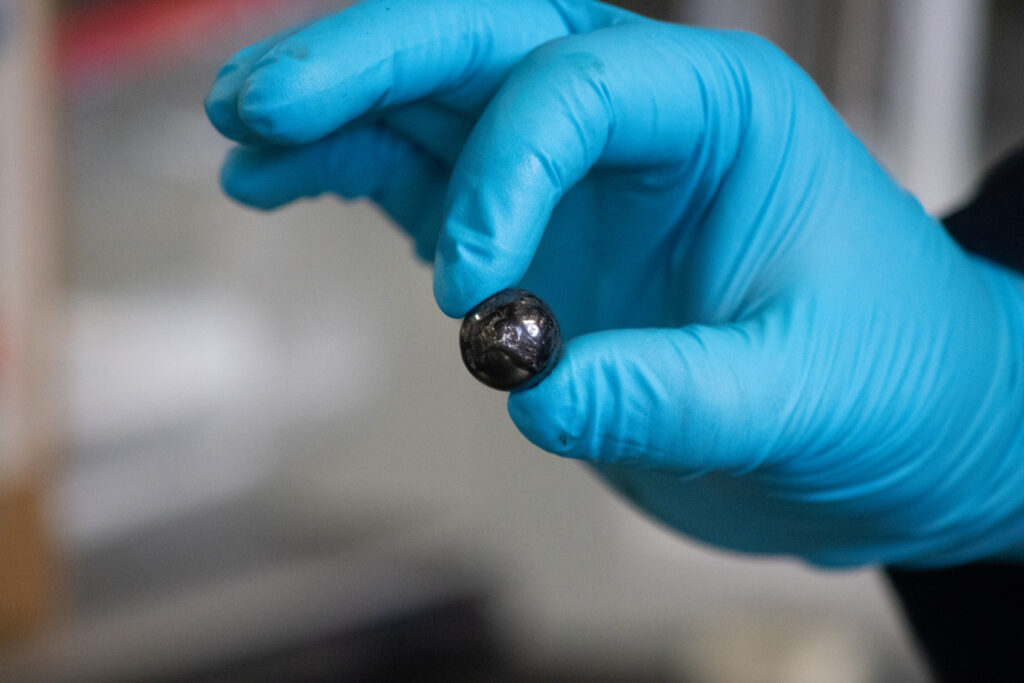
In this video, a root cause failure investigation is beginning with the extraction of grease and debris from a failed Forced Draft (FD) Fan Outboard Bearing. Once the bearing was fully cleaned, analytical ferrography was performed to identify and measure the ferrous wear and damage. Upon inspection, it was found that there was uneven wear pattern on the bearing inner race, a misaligned bearing, incorrect sleeve installation, a broken cage, and damaged or worn tools. Recommendations consisted of using proper tools for installation, inspection of the inboard bearing, using dial indicators, creating a guiding procedure for proper installation and maintenance of the bearing and rotating assembly, and incorporating a post-maintenance and commissioning plan to include additional analysis. Photos of analysis were additionally included in summary report.
Damaged Seals
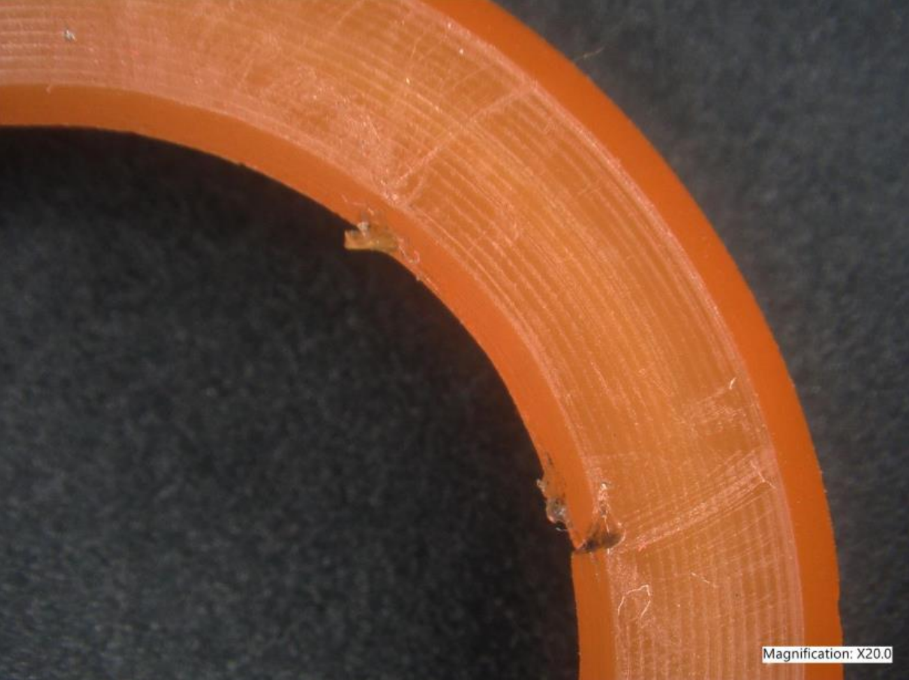
MRG Labs was able to observe and photograph any abnormalities and damage of the seal compared to reference seals provided. Analyses included physical inspection and microscopic inspection using Laser-Induced Breakdown Spectroscopy (LIBS) to identify unknown particles on each seal. Observation showed that the seals showed surface damage and wear from being in-service. Many of the particles observed during LIBS were Copper and Aluminum in nature. Increased levels of wear could impact seal performance, lubrication function, and overall lifetime of seals. Recommendations consisted of ensuring that the seals are stored in their packaging bag to prevent contamination before use. Using gloves and additional safety barriers was another recommendation to further prevent any contamination or damage of seals during installation.