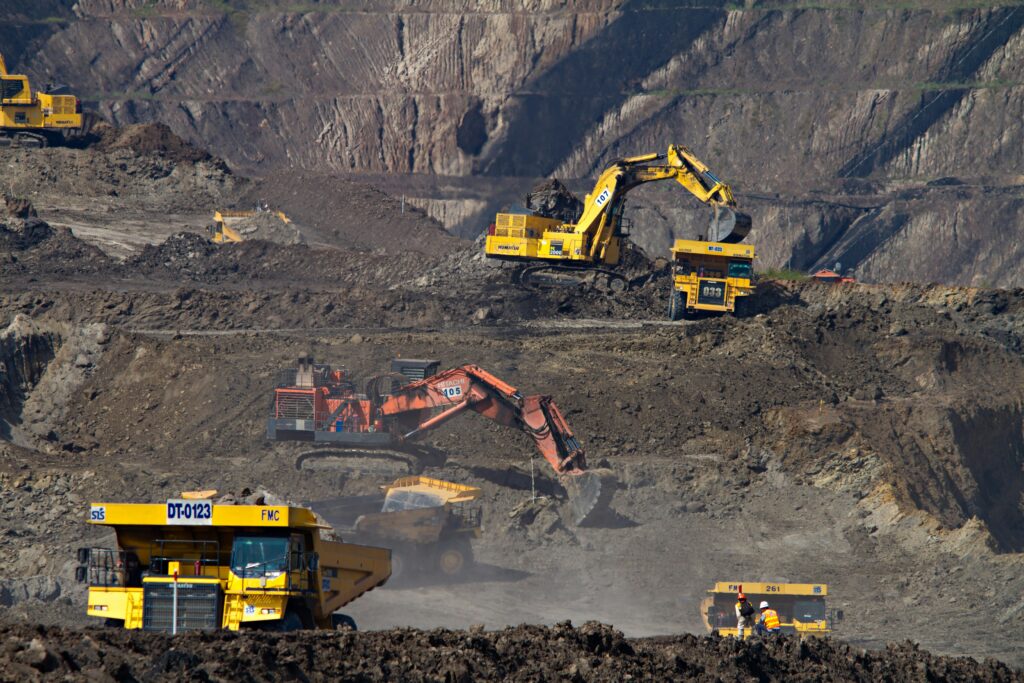
Grease analysis has been a valuable tool for mining applications in order to monitor the health of greases and machinery. Failure of equipment and maintenance repairs can be very costly, and at some times unnecessary. Through lubrication analysis, companies can have a better understanding of lubrication best practices and ultimately reduce maintenance costs over time.
Challenges in Cement & Mining Applications

Due to the constant presence of abrasive contaminants, high temperatures, and shock loads, cement manufacturing and mining operations can be some of the most challenging environments for lubrication and long equipment life. Over time, these problems result in an increased failure rate and impact the ability to recover the useful life of the investment. The lubricant is the lifeblood of these components, and one of the most common issues faced is contamination.

MRG Experience

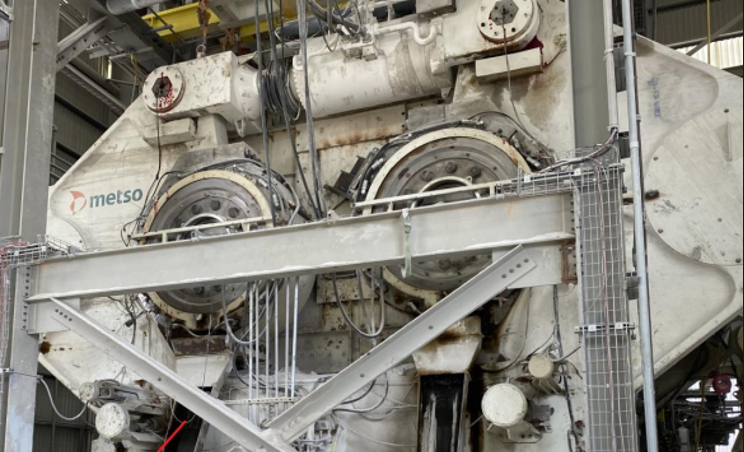
MRG Laboratories has experience analyzing mining applications in order to optimize grease and machinery life. Analysis was performed on large crusher bearings at a mining site to measure the wear rate, consistency, contamination, and anti-oxidant levels remaining in the in-service greases. These measurements are also valuable in determining the condition of the in-service greases and action levels.

Test Slate

The test slate for this grease test included ferrous wear analysis via FerroQ Analyzer, Die Extrusion via the Grease Thief Analyzer, Linear Sweep Voltammetry via RULER, moisture analysis, elemental analysis via RDE Spectroscopy, and FTIR analysis. Data from these tests identifies potential problems and corrects issues that have already occurred or will over time. This prevention is what helps mining applications from maintenance repairs and replacing equipment that hasn’t yet reached the end of its useful life.

Click here to read more about MRG’s experience with mining applications!

Scroll to Top